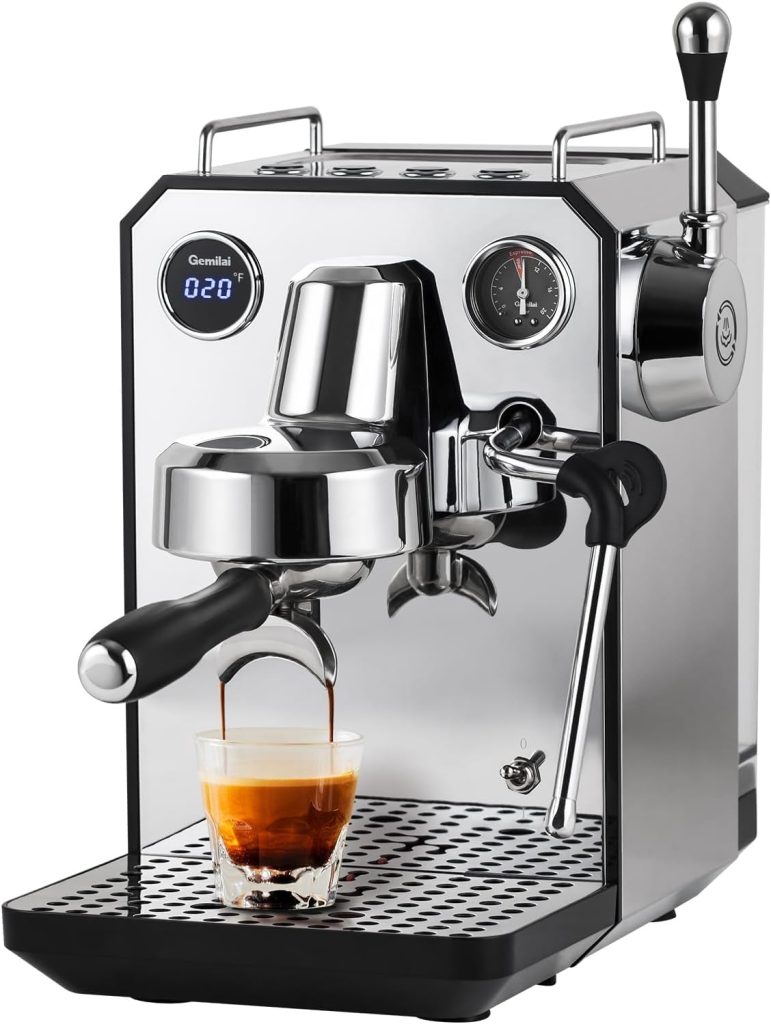
Understanding control, convenience, and coffee quality for home baristas
Choosing between semi-automatic vs automatic espresso machines can significantly influence your daily coffee experience. Whether you are a beginner searching for simplicity or a coffee enthusiast looking for precision and control, understanding the differences between these two types of espresso machines is essential before making an investment.
Espresso machines have evolved significantly over the years, bringing professional coffee-making technology into home kitchens. Both semi-automatic and automatic machines are capable of producing high-quality espresso, but they differ in how much control the user has over the brewing process, how easy they are to operate, and how consistent the results can be.
This detailed guide explores the most important differences, advantages, disadvantages, and ideal use cases for each type. By the end, you will understand which machine aligns best with your preferences, skill level, and expectations for coffee quality.
What Is a Semi-Automatic Espresso Machine?
A semi-automatic espresso machine allows the user to control key aspects of the brewing process while still benefiting from electric pump pressure. These machines require the user to grind the coffee, measure the dose, tamp the grounds, and decide when to start and stop the extraction.
Semi-automatic machines are extremely popular among coffee enthusiasts because they offer a balance between manual control and modern convenience.
Key Characteristics of Semi-Automatic Machines
- Manual control of shot timing
- Requires grinding and tamping coffee manually
- Electric pump provides consistent pressure
- Allows experimentation with grind size and extraction time
- Often includes a steam wand for milk frothing
- Offers flexibility to adjust flavor profiles
With a semi-automatic machine, the user becomes an active participant in the espresso-making process. This level of involvement allows greater control over the taste and strength of each cup.
Many coffee lovers enjoy semi-automatic machines because they provide a deeper connection to the craft of espresso preparation.
What Is an Automatic Espresso Machine?
An automatic espresso machine simplifies the brewing process by automating shot timing and sometimes dosing. With the press of a button, the machine controls the amount of water used for extraction.
Automatic machines are designed for convenience and consistency. They are ideal for users who want reliable results without needing extensive knowledge of espresso techniques.
Key Characteristics of Automatic Machines
- Pre-programmed shot volume
- Push-button brewing
- Consistent extraction timing
- Reduced learning curve
- Minimal user input required
- Often includes built-in grinders or milk systems
Automatic machines remove much of the guesswork involved in making espresso. This makes them particularly attractive for busy households or users who want high-quality coffee with minimal effort.
Comparison Table: Semi-Automatic vs Automatic Espresso Machines
| Feature | Semi-Automatic Espresso Machine | Automatic Espresso Machine |
|---|---|---|
| User Control | High level of control | Limited control |
| Ease of Use | Moderate learning curve | Very easy to use |
| Consistency | Depends on user skill | Highly consistent |
| Customization | Extensive customization | Limited customization |
| Shot Timing | Manual | Pre-programmed |
| Grind Adjustment | Fully adjustable | Often preset or automatic |
| Milk Frothing | Manual steam wand | Automatic or manual |
| Learning Experience | Excellent for learning espresso skills | Minimal learning required |
| Preparation Time | Slightly longer | Faster preparation |
| Ideal User | Coffee enthusiasts | Beginners or convenience-focused users |
Brewing Control and Flexibility
One of the biggest differences between semi-automatic vs automatic espresso machines is the level of control over brewing variables.
Semi-automatic machines allow the user to:
- Choose grind size
- Adjust coffee dose
- Control tamping pressure
- Decide extraction time
- Experiment with different coffee beans
These variables can significantly impact flavor, aroma, and texture.
Automatic machines, on the other hand, simplify the process by using programmed settings. While this limits experimentation, it ensures reliable results every time.
Users who enjoy adjusting brewing variables often prefer semi-automatic machines because they allow creativity and experimentation.
Ease of Use and Learning Curve
Ease of use is another critical factor when comparing these machines.
Semi-automatic espresso machines require practice. Beginners may need time to learn:
- Correct grind size
- Proper tamping pressure
- Ideal shot extraction time
- Milk steaming techniques
Automatic machines eliminate most of these steps. With pre-programmed shot volumes and simplified controls, users can prepare espresso quickly and easily.
For individuals new to espresso preparation, automatic machines provide a smooth introduction.
However, users interested in developing barista skills often find semi-automatic machines more rewarding.
Coffee Quality and Flavor Potential
Both semi-automatic and automatic espresso machines can produce excellent coffee. However, the final quality often depends on the user’s involvement.
Semi-automatic machines allow users to fine-tune brewing variables to achieve:
- Balanced acidity
- Rich crema
- Complex flavor notes
- Optimal extraction time
Automatic machines produce consistent espresso but may not allow as much experimentation.
Coffee enthusiasts often prefer semi-automatic machines because they can adjust brewing techniques to highlight different characteristics of coffee beans.
Automatic machines focus on reliability, ensuring each cup tastes similar.
Built-In Grinder vs Separate Grinder
Many automatic espresso machines include integrated grinders. This feature adds convenience and saves counter space.
Semi-automatic machines often require a separate grinder, allowing users to select high-quality burr grinders for precise grinding control.
Grinder Considerations
| Feature | Semi-Automatic | Automatic |
|---|---|---|
| Grinder Included | Usually separate | Often built-in |
| Grind Precision | Highly adjustable | Pre-configured settings |
| Maintenance | Separate cleaning | Integrated maintenance |
| Coffee Freshness | High with quality grinder | Consistently fresh grinding |
Freshly ground coffee is essential for achieving the best espresso flavor. Both machine types support fresh grinding, but semi-automatic setups may provide more flexibility.
Milk Frothing Capabilities
Milk frothing is an essential feature for drinks like cappuccinos and lattes.
Semi-automatic machines typically include manual steam wands, allowing users to create microfoam texture for latte art.
Automatic machines may include:
- Automatic milk frothers
- Integrated milk containers
- One-touch cappuccino preparation
Manual steam wands require practice but offer better control over milk texture.
Automatic milk systems prioritize convenience and speed.
Maintenance and Cleaning Requirements
Regular maintenance ensures long-term performance and consistent coffee quality.
Semi-automatic machines typically require:
- Cleaning the portafilter
- Backflushing the group head
- Descaling periodically
- Cleaning steam wand after use
Automatic machines often include:
- Automatic cleaning cycles
- Removable drip trays
- Descaling alerts
- Easy-to-clean milk systems
Maintenance difficulty varies depending on machine complexity.
Users who prefer minimal maintenance often choose automatic machines.
Durability and Build Quality
Durability plays an important role when investing in an espresso machine.
Semi-automatic machines often feature:
- Stainless steel construction
- Commercial-style portafilters
- Replaceable components
- Long service life
Automatic machines often include electronic components that may require specialized servicing.
High-quality materials contribute to machine longevity regardless of type.
Price Range Comparison
Price varies depending on features, materials, and brand reputation.
| Category | Typical Price Range |
|---|---|
| Entry-Level Semi-Automatic | Moderate |
| Premium Semi-Automatic | Higher investment |
| Entry-Level Automatic | Moderate |
| Premium Automatic | Higher investment |
Semi-automatic machines may require additional accessories such as grinders and tampers.
Automatic machines may include built-in features that reduce the need for extra purchases.
Advantages of Semi-Automatic Espresso Machines
Greater control over brewing variables
Ability to customize flavor profiles
Professional-style espresso preparation
Ideal for learning barista skills
Durable construction
Better experimentation with specialty coffee beans
Advantages of Automatic Espresso Machines
Simple and convenient operation
Consistent shot results
Quick coffee preparation
User-friendly interface
Minimal learning curve
Ideal for busy lifestyles
Ideal Users for Each Machine Type
Choose a Semi-Automatic Espresso Machine if:
- You enjoy learning new skills
- You want control over espresso flavor
- You appreciate hands-on coffee preparation
- You want to experiment with grind size and shot timing
- You enjoy the process of making coffee
Choose an Automatic Espresso Machine if:
- You prefer convenience
- You want consistent results every time
- You have limited time for preparation
- You want simple operation
- You are new to espresso machines
Key Differences Summary
| Category | Semi-Automatic | Automatic |
|---|---|---|
| Control | High | Moderate |
| Convenience | Moderate | High |
| Consistency | Skill dependent | Highly consistent |
| Customization | Extensive | Limited |
| Skill Development | Excellent | Minimal |
| Speed | Moderate | Fast |
| Complexity | Moderate | Simple |
Final Thoughts
Understanding the differences between semi-automatic vs automatic espresso machines helps simplify the decision-making process when choosing the ideal coffee maker.
Semi-automatic machines provide greater flexibility and allow users to refine brewing techniques. They are ideal for coffee enthusiasts who enjoy experimenting with grind size, shot timing, and milk frothing.
Automatic machines offer simplicity, reliability, and speed. They are perfect for individuals who want high-quality espresso without a complicated learning process.
Both types can produce exceptional espresso when paired with quality coffee beans and proper maintenance.
Selecting the right machine ultimately depends on personal preferences, lifestyle, and interest in the coffee-making process.
Whether you prioritize precision or convenience, both machine types offer satisfying espresso experiences that can transform your daily coffee routine.