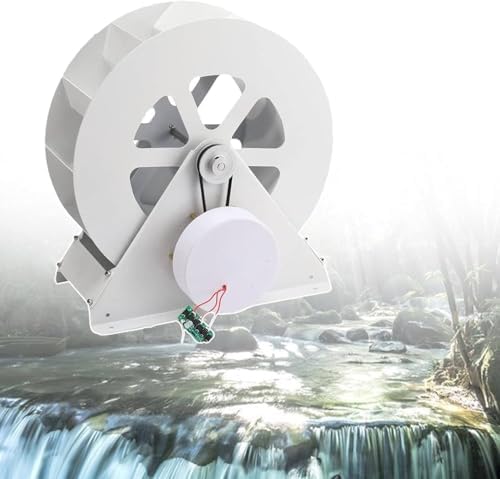
Harnessing the natural power of flowing water for sustainable electricity is no longer only for large-scale dams and hydroelectric plants. Portable micro hydroelectric systems are gaining popularity among off-grid homeowners, eco-enthusiasts, campers, and anyone looking to supplement their energy needs with renewable power. In this comprehensive review, we focus on water wheel hydropower generators, specifically micro hydro turbines in the 50W power range, ideal for outdoor lighting, small-device charging, and remote power applications.
Small hydro generators operate on the time-tested principle of converting the kinetic energy of moving water into electrical energy. These generators often use wheel or turbine designs to spin a generator head and create electricity — even with relatively low water flow. Below, you’ll find product specifications, use cases, benefits, limitations, and key tips for choosing the right micro hydroelectric generator for your needs.
Why Choose a Water Wheel Hydropower Generator?
Water wheel hydropower systems are perfect for locations near streams, irrigation canals, or any steady flowing water source where traditional solar or wind setups might not be ideal. Compared to solar panels, they can produce power continuously day and night as long as water flow exists.
Many units in this class are designed for low-speed water conditions, making them suitable for outdoor power in remote areas, landscape lighting, or emergency readiness. They are often portable, easy to install, and useful for sustainable outdoor energy generation.
1. Water Turbine Hydro Generator
Overview:
This water turbine hydro generator uses a compact turbine wheel that spins when water flows through. It’s ideal for generating up to 50W of power in low to moderate water flow environments, such as small streams, ditches, or canal outflows.
Key Features:
- Small turbine design optimized for steady water flow
- Suitable for powering small devices, lighting, and battery charging
- Reliable micro-hydro generation with minimal maintenance
Ideal For: Outdoor enthusiasts, cabins, off-grid sheds, and low-pressure water sources requiring continuous power.
2. 12V/24V/48V Micro Hydro Generator
Overview:
This micro hydro generator unit supports multiple battery voltages — 12V, 24V, and 48V — giving flexibility for a range of off-grid systems. Available in 36W and 50W power options, it includes efficient water flow conversion and is compact enough for installation near flowing water sources.
Technical Specs:
- Power Output: 36W / 50W (optional)
- Supported Battery Voltages: 12V / 24V / 48V
- Bluetooth monitoring (some models)
- Compact, durable build
Ideal For:
Remote battery charging systems, off-grid sheds, RV power supplementation, and areas where a modest but reliable power source is needed.
3. 50kW Mini Hydro Turbine
Overview:
For those needing a more robust hydro solution, this mini hydro turbine rated up to 50kW offers commercial-grade performance. While substantially larger and more powerful than typical micro hydro systems, it provides insight into scalable turbine technology from small to large installations.
Technical Highlights:
- Power Capacity: Up to 50kW
- Designed for river, stream, or penstock installations
- Industrial build quality for long-term renewable energy generation
Ideal For:
Larger installations such as community microgrids, farms, or continuous high-demand power systems.
Detailed Product Comparison Table
| Feature / Model | Water Turbine Hydro Generator | 12V/24V/48V Micro Hydro Generator | 50kW Mini Hydro Turbine |
|---|---|---|---|
| Typical Power Output | Up to ~50W | 36W / 50W options | Up to 50,000W |
| Best Voltage | ~1–60V typical | 12V / 24V / 48V | High voltage commercial |
| Durability | Moderate | High | Industrial grade |
| Installation Difficulty | Easy | Moderate | Advanced |
| Best Use Case | Outdoor lighting, small loads | Battery charging solar supplement | Large-scale power solutions |
| Portable | Yes | Yes | No (large system) |
How Micro Hydroelectric Generators Work
At the core of any micro hydro system is the conversion of kinetic energy from flowing water into mechanical motion, which then turns a generator to produce electricity. Low-speed water wheel generators capture even modest water flow, making them suitable for areas without large drops or high velocity streams.
A typical setup includes:
- Water intake and channel to guide flow
- Turbine or water wheel
- Generator or alternator head
- Control unit or charge controller (optional)
- Battery storage or direct load connection
Practical Uses for Water Wheel Hydropower Generators
Micro hydroelectric generators are excellent for a range of outdoor situations:
Outdoor Lighting and Landscape Power
Generators with 50W output can keep LED lighting running for patios, pathways, campgrounds, gardens, and other outdoor spaces. They provide uninterrupted illumination after sunset without reliance on solar or grid power.
Battery Charging and Small Device Power
Small hydro systems can charge batteries directly or provide supplemental power to lights, radios, communication equipment, and small USB chargers — ideal for cabins or recreation areas.
Off-Grid and Emergency Energy Backup
In remote off-grid locations with access to flowing water, micro hydroelectric turbines offer a dependable energy source for emergencies. They require less maintenance than larger installations and can run continuously if water flow persists.
Installation Considerations
Before installing a water wheel hydropower generator, it’s important to consider the following:
1. Water Flow and Head Pressure
The power output of any hydro generator is directly related to water flow (volume) and head (height of fall). Even small systems require steady water flow — otherwise power output may be limited. Testing or estimating head and flow helps determine realistic power expectations.
2. Site Conditions
Installations near streams or canals must ensure secure placement, proper anchoring, and avoidance of debris that can damage the turbine.
3. Voltage Matching
Make sure your chosen generator can match the voltage of your battery storage or load requirements — especially if charging batteries or running electronics.
4. Maintenance
Though micro hydraulic turbines are generally low-maintenance, periodic checks for debris, corrosion, cable integrity, and waterproofing will ensure longevity and reliability.
Benefits of Micro Hydroelectric Systems
Micro hydro generators offer several distinct advantages:
- Continuous generation: As long as water flows, power can be produced.
- Low environmental impact: No fossil fuels, no emissions, and often fine to install in rural areas.
- Durable and simple mechanics: Fewer moving parts compared to larger systems.
- Off-grid energy independence: Ideal for cabins, sheds, farms, or remote lighting.
Limitations and Realistic Expectations
While promising, users should be aware of certain limitations:
- Limited power output: Most low-speed water wheel generators produce small amounts of power (often up to ~50W). They are not suitable for high-demand appliances.
- Water dependency: No flow, no power — dry seasons or unpredictable flow can reduce performance.
- Site-specific needs: Proper siting and installation impact success.
Final Thoughts
Water wheel hydropower generators offer a fascinating and eco-friendly way to produce electricity in remote settings or as part of a diversified renewable energy setup. With options ranging from simple 36W/50W turbine generators to larger commercial-grade systems, there’s a solution for a wide array of applications. Whether you’re lighting up an outdoor landscape, charging batteries or exploring sustainable power generation, these generators can unlock renewable energy potential right at your water’s edge.