As an Amazon Associate I earn from qualifying purchases.
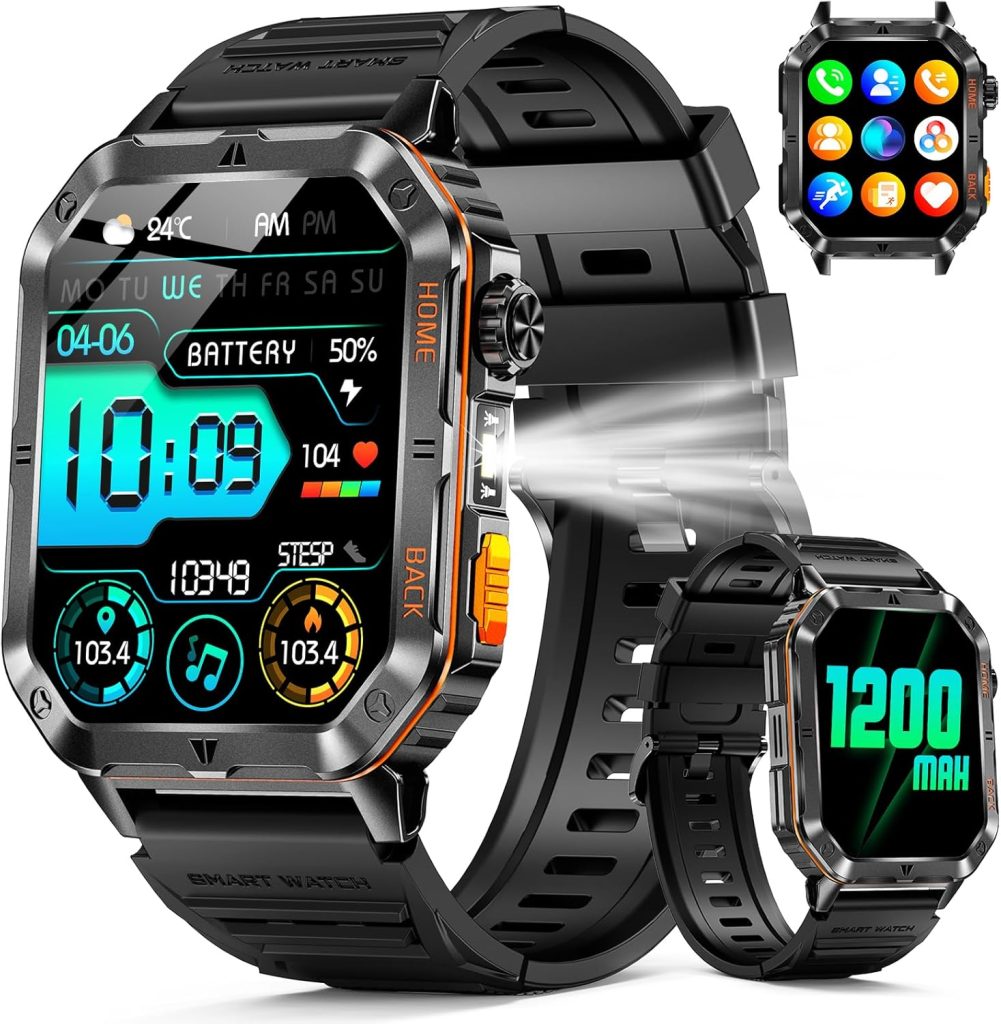
A rugged outdoor companion designed for extended adventures and reliable navigation
Outdoor adventures demand more than a standard smartwatch Hikers, trekkers, campers, and mountaineers need a wearable device capable of surviving difficult environments while providing reliable GPS tracking, health monitoring, navigation support, and extended battery performance. A smartwatch designed specifically for hiking must combine durability, precision, and efficiency into a compact and comfortable device.
The modern hiking smartwatch has evolved far beyond step counting. Today’s outdoor-focused wearables offer altitude tracking, route planning, weather updates, heart-rate monitoring, offline maps, emergency alerts, and multi-day battery endurance. For hikers exploring remote trails or spending long weekends in nature, battery life becomes one of the most critical features.
This comprehensive review explores what makes a smartwatch ideal for hiking and examines the features, performance, usability, and advantages of long-battery outdoor smartwatches for active users.
Why Battery Life Matters For Hiking Smartwatches
One of the biggest concerns for outdoor enthusiasts is power management. Unlike urban environments where charging opportunities are common, hiking trails often involve long periods away from electricity.
A hiking smartwatch with poor battery life can quickly become useless during critical moments. Whether navigating unfamiliar terrain or tracking physical performance, a dead battery creates unnecessary risk.
Benefits Of Extended Battery Life
- Reliable GPS tracking during long hikes
- Reduced charging frequency
- Better safety during remote adventures
- Continuous health monitoring
- Longer expedition support
Many outdoor smartwatches now offer battery endurance ranging from several days to multiple weeks depending on usage settings.
Key Features Every Hiking Smartwatch Should Have
Advanced GPS Navigation
GPS functionality is one of the core reasons hikers invest in outdoor smartwatches. Accurate positioning allows users to:
- Track hiking routes
- Navigate mountain trails
- Return safely to starting points
- Record distance and elevation
Modern hiking smartwatches often include:
- Multi-band GPS
- GLONASS support
- Galileo satellite connectivity
- Offline navigation
These systems improve positioning accuracy even in forests, mountains, or remote valleys.
Durable Rugged Construction
Outdoor environments can be harsh. A hiking smartwatch must survive:
- Rain
- Mud
- Dust
- Impacts
- Extreme temperatures
Most premium hiking smartwatches use:
- Reinforced polymer bodies
- Stainless steel bezels
- Sapphire glass protection
- Military-grade durability certifications
This rugged construction ensures reliability during demanding activities.
Long Battery Performance
Battery optimization separates hiking watches from ordinary smartwatches.
Typical Battery Modes Include:
| Mode | Average Duration |
|---|---|
| Smartwatch Mode | 7–30 Days |
| GPS Mode | 20–100 Hours |
| Expedition Mode | Several Weeks |
| Battery Saver Mode | Up to 60 Days |
Some advanced models automatically adjust power usage depending on activity intensity.
Outdoor Navigation Features
Altitude And Barometric Sensors
Altitude tracking helps hikers understand elevation changes during climbs.
Benefits Include:
- Improved route planning
- Accurate elevation measurements
- Better mountain navigation
- Weather prediction support
Barometric pressure sensors also assist with storm forecasting during outdoor adventures.
Compass And Route Tracking
Digital compasses provide directional assistance when traditional landmarks are unavailable.
Combined with breadcrumb navigation and route tracking, hikers can:
- Retrace their steps
- Avoid getting lost
- Save custom routes
- Follow imported GPX trails
These features become especially valuable during backcountry expeditions.
Health And Fitness Monitoring
Modern hiking smartwatches serve as complete wellness companions.
Heart Rate Monitoring
Continuous heart-rate tracking helps users manage exertion levels during difficult climbs.
Advantages:
- Prevents overexertion
- Tracks cardiovascular performance
- Measures recovery periods
Blood Oxygen Monitoring
Some outdoor smartwatches include SpO2 monitoring, which becomes useful at higher altitudes.
Helpful For:
- Mountain hikers
- High-altitude trekkers
- Long endurance hikes
Sleep And Recovery Tracking
Recovery matters as much as performance. Hiking smartwatches now monitor:
- Sleep quality
- Stress levels
- Energy recovery
- Fatigue indicators
This helps users prepare for multi-day adventures.
Display Quality And Visibility
Readable Under Direct Sunlight
Hiking often involves bright outdoor conditions. A good hiking smartwatch must remain visible under sunlight.
Common Display Technologies:
- AMOLED screens
- Transflective displays
- High-brightness LCD panels
Transflective displays are especially popular for battery efficiency and outdoor readability.
Touchscreen Vs Physical Buttons
Many hiking smartwatches combine touch controls with physical buttons.
Why Buttons Matter:
- Easier operation with gloves
- Better usability in rain
- Reliable navigation during movement
Comfort During Long Hikes
A hiking smartwatch should remain comfortable throughout extended wear.
Lightweight Construction
Heavy watches can become uncomfortable during long expeditions.
Manufacturers now focus on:
- Lightweight materials
- Ergonomic wristbands
- Breathable straps
Secure Fit
A secure fit improves:
- Sensor accuracy
- Comfort during movement
- Stability during climbing or running
Smart Features Beyond Hiking
Although hiking is the primary focus, many outdoor smartwatches also provide daily smart functionality.
Smartphone Notifications
Users can receive:
- Calls
- Messages
- Calendar alerts
- Weather notifications
Music And Media Controls
Offline music storage and playback are valuable during solo hikes.
Contactless Payments
Some models support digital payments, useful during travel and outdoor trips.
Best Use Cases For Hiking Smartwatches
Mountain Hiking
Long battery life and altitude tracking make these watches perfect for mountain exploration.
Camping
Weather monitoring and GPS support improve campsite planning and safety.
Trail Running
Lightweight rugged designs help runners track performance across uneven terrain.
Backpacking
Extended battery endurance is essential for multi-day backpacking trips.
Survival And Expedition Travel
Emergency navigation tools and durable construction support extreme environments.
Battery Saving Tips For Hikers
To maximize battery performance:
- Lower screen brightness
- Disable unnecessary notifications
- Use expedition GPS mode
- Turn off Wi-Fi and Bluetooth when not needed
- Limit continuous pulse monitoring
These adjustments can significantly extend operational time.
Pros And Cons Of Hiking Smartwatches
Advantages
- Exceptional battery endurance
- Rugged outdoor durability
- Accurate navigation tools
- Health and fitness monitoring
- Multi-sport compatibility
- Offline mapping support
Disadvantages
- Higher price compared to basic smartwatches
- Advanced features may require learning
- Larger designs may not suit all users
Who Should Buy A Hiking Smartwatch
Ideal Users
- Outdoor adventurers
- Backpackers
- Campers
- Trail runners
- Mountain climbers
- Survival enthusiasts
Less Suitable For
- Casual users needing basic notifications only
- People seeking fashion-first smartwatches
- Users who rarely participate in outdoor activities
How Hiking Smartwatches Compare To Regular Smartwatches
Battery Life
Regular smartwatches often last one to two days, while hiking watches may operate for weeks.
Durability
Outdoor watches are built to survive impacts, water exposure, and temperature extremes.
Navigation
Hiking models include advanced GPS and offline route systems unavailable on many lifestyle watches.
Outdoor Tools
Features like altimeters, barometers, and compasses are specifically designed for outdoor activities.
Important Buying Factors
Before purchasing a hiking smartwatch, consider:
- Battery life expectations
- GPS accuracy
- Weight and comfort
- Water resistance rating
- Display visibility
- Navigation features
- Charging speed
- Companion app quality
Choosing the right balance between functionality and comfort is essential.
Final Verdict
A smartwatch for hiking with long battery life is more than a convenience device—it becomes an essential outdoor companion capable of improving navigation, safety, endurance tracking, and overall hiking experiences.
For serious hikers and outdoor enthusiasts, long battery performance is often the deciding factor. A reliable hiking smartwatch allows adventurers to focus on exploration without worrying about constant recharging.
The latest generation of rugged outdoor smartwatches combines advanced navigation systems, health monitoring, durable construction, and exceptional battery efficiency into a powerful wearable platform designed specifically for life beyond the city.
Whether exploring mountain trails, camping in remote forests, or training for endurance adventures, a long-battery hiking smartwatch delivers dependable performance where it matters most.